Share the article


Storyteller Alternative: When to Choose a Wider In-App Campaign Layer
Karina
Author @ InAppStory
Stories and vertical video can be an excellent first layer for app engagement. They give teams a familiar content surface, help users browse updates quickly, and reduce the need to build a full media experience in-house. Then the campaign brief grows.
- Where should the campaign appear if users do not open stories?
- How do you catch the right moment inside a specific flow?
- How do you collect feedback without sending users to a separate screen?
- How do you issue a reward or promo code?
- How do you connect attention → explanation → action → repeat visit?
- And how do you avoid a new integration every time the team needs a new format?
That is where the Storyteller vs InAppStory comparison becomes useful.
What Storyteller is built for
Storyteller’s product architecture is focused on stories and vertical video experiences for owned digital channels. The platform helps teams add social-style content to apps and websites without building the format, CMS, analytics, or ad support from scratch.
| Area | Storyteller focus | |
|---|---|---|
 | Stories | Full-screen story experiences for apps and websites |
| Vertical video | TikTok-style video feeds for owned platforms |
| SDKs | iOS, Android, React Native, Web |
| CMS | Categorizing, editing, scheduling, previewing, and publishing content |
| Studio | Story creation with templates, fonts, and media library integrations |
| Engagement units | Polls, trivia quizzes, answers, shares, swipe-ups |
| Ads | Full-screen native ads inside stories and vertical video |
| Analytics | Views, viewers, shares, swipe-ups, answers, historical performance, page-level data |
This makes Storyteller a clear fit for teams that want stories or vertical video to become a primary content surface: media, sports, entertainment, publishers, communities, or brands with a strong editorial rhythm.
Why teams look for a Storyteller alternative
Teams usually do not search for a Storyteller alternative because the stories format fails. The search starts when the job expands beyond content delivery.
A story can explain. A video can inspire. But many app campaigns also need to interrupt at the right moment, collect a response, send users to a next step, issue a reward, or bring them back tomorrow.
| When the team needs to... | A stories/video layer may need support from... | |
|---|---|---|
| Make a campaign visible before users open stories | Smart banner |
| Prompt action inside a specific flow | Pop-up, bottom sheet, toast |
| Explain a longer offer or product logic | In-app landing page / ScrollView |
| Collect feedback in context | Interactive widget |
| Give a reward or promo code | Widget, checkout element, game mechanic |
| Build a repeat visit loop | Mini-game, daily reward, seasonal mechanic |
| Connect several steps into one journey | Multi-format campaign workflow |
So the practical question is not “Are stories useful?” They are. The better question is whether stories are enough for the app behavior the team wants to change.
If the goal is to publish and monetize stories or vertical video, Storyteller is a strong, focused option. If the goal is to manage several in-app surfaces around one campaign, InAppStory gives the team more room to build the full path: attention, explanation, interaction, reward, and next action.
Storyteller vs Inappstory: Feature comparison
The difference is easiest to see by looking at campaign building blocks.
| Feature area | Storyteller | InAppStory | |
|---|---|---|---|
| Core content formats | Stories, vertical video | Stories, vertical video, smart banners, in-app messages, widgets, mini-games, in-app landings |
| SDKs and platforms | iOS, Android, React Native, Web | JavaScript, React, Android, iOS, React Native, Flutter |
| Publishing workflow | CMS for editing, scheduling, previewing, and publishing stories/video | Console for launching and managing stories, banners, messages, widgets, games, landings, targeting, and analytics |
| Stories | Available | Available |
| Vertical video | Available | Available |
| Banners | Not available | Smart banners with support for multi-slide content, video, promo codes, product cards, countdowns, and interactive campaign entry points |
| In-app messages | Not available | Pop-ups, bottom sheets, full-screen messages, toasts, and trigger-based prompts |
| In-app landings / ScrollView | Not available | Available for longer explanations, product education, offers, and campaign flows |
| Widgets and interactivity | Polls and trivia quizzes | 15 widgets for selected campaign formats, including polls, reactions, quizzes, timers, promo codes, product cards, checkout elements, and feedback tools |
| Gamification | Not available | Game Center with 12 ready mechanics, including Wheel of Fortune, Advent Calendar, Mystery Boxes, Match 3, Memory, Sorting, Slicer, Shaker, Postcards, Runner, Catcher, and 5 Letters |
| Deep links / action routing | Available | Available |
| Native ads / sponsored placements | Ads inside stories and vertical video | Sponsored placements can use stories, banners, widgets, games, promo codes, product cards, and other in-app formats |
| Personalization and targeting | Targeting and segmentation tools | Tags, segments, variables, dynamic placeholders, CDP data, zero-party data, and behavior-based targeting |
| Analytics | Story/video analytics: views, viewers, shares, swipe-ups, answers, historical performance | Campaign analytics across in-app formats, including views, clicks, interactions, completion, and format-level performance |
| Best-practice support | Focused on content creation and delivery | 300+ real campaign examples and best-practice references from in-app launches |
| Pilot | Not positioned as a free live-user pilot | Free pilot on real users after integration |
| Enterprise deployment | Enterprise support and customization options | On-premises deployment available for regulated teams |
| Best fit | Teams that want stories/video as a polished content surface | Teams that need a broader in-app campaign layer with several formats working around one user journey |
Are stories enough, or do you need an in-app campaign layer?
Stories and vertical video work well when the user is already willing to open and browse content. That is why they are useful for updates, editorial content, product inspiration, recaps, announcements, and sponsored storytelling.
But many app campaigns start before the user opens a story — or continue after the story is closed. This is where the format question becomes a journey question.
| Question to ask | Why it matters | |
|---|---|---|
| Where will users notice the campaign? | If users do not open stories, the campaign may need a banner, entry point, or trigger-based message first. |
| Does the message depend on the current screen or behavior? | A contextual prompt, bottom sheet, toast, or pop-up may work better than content placed in a separate stories section. |
| Is the goal to explain, collect, or convert? | A story can explain. A widget can collect feedback. A product card or checkout element can move the user closer to action. |
| Does the campaign need a reward loop? | Promo codes, daily rewards, mystery boxes, games, and seasonal mechanics create reasons to return. |
| What happens after the first interaction? | Strong campaigns usually need a next step: open a feature, claim an offer, answer a question, buy, subscribe, or come back later. |
| Will the next campaign need another format? | If every new mechanic requires another tool or custom development, the team may need a broader in-app campaign layer. |
This is the key difference in planning. A stories-first platform helps teams publish a content surface. A multi-format in-app platform helps teams decide which surface should carry each step of the campaign.
Choose Storyteller if stories and vertical video are the product surface you need. Choose InAppStory if stories are one part of a broader in-app communication strategy.
We aim to keep this comparison fair, useful, and up to date. If you represent Storyteller and would like to suggest a correction, clarification, or additional context, please reach out to us. We are open to reviewing the information and updating the article where appropriate.
Want this in your app?
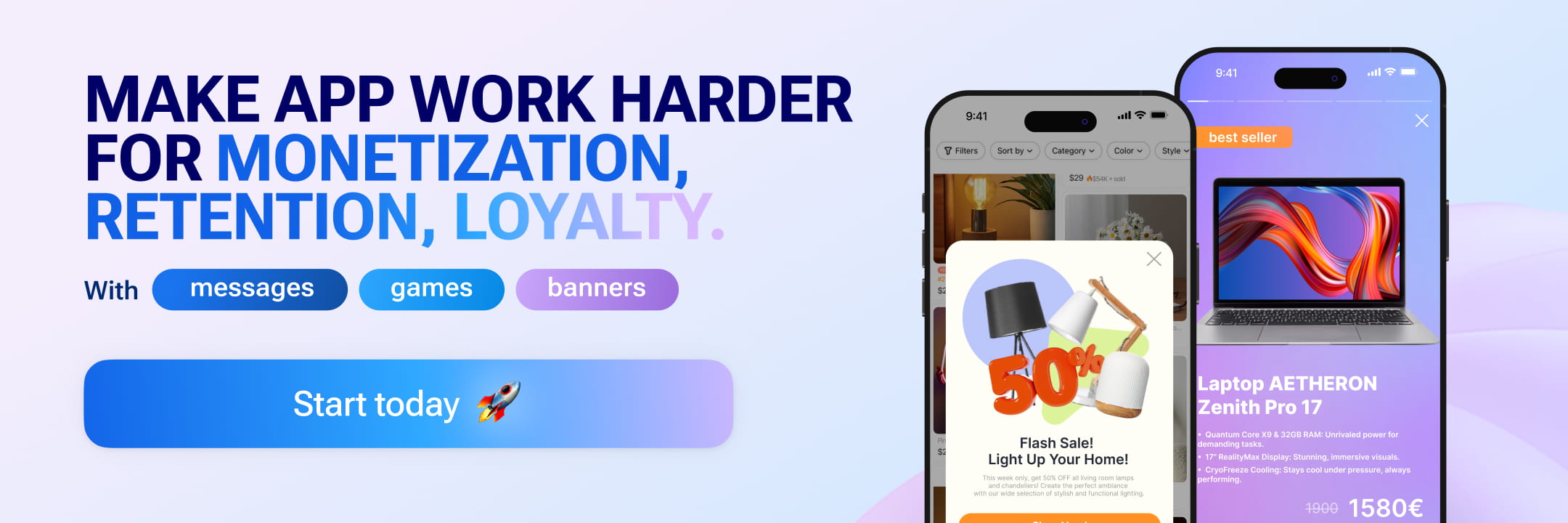
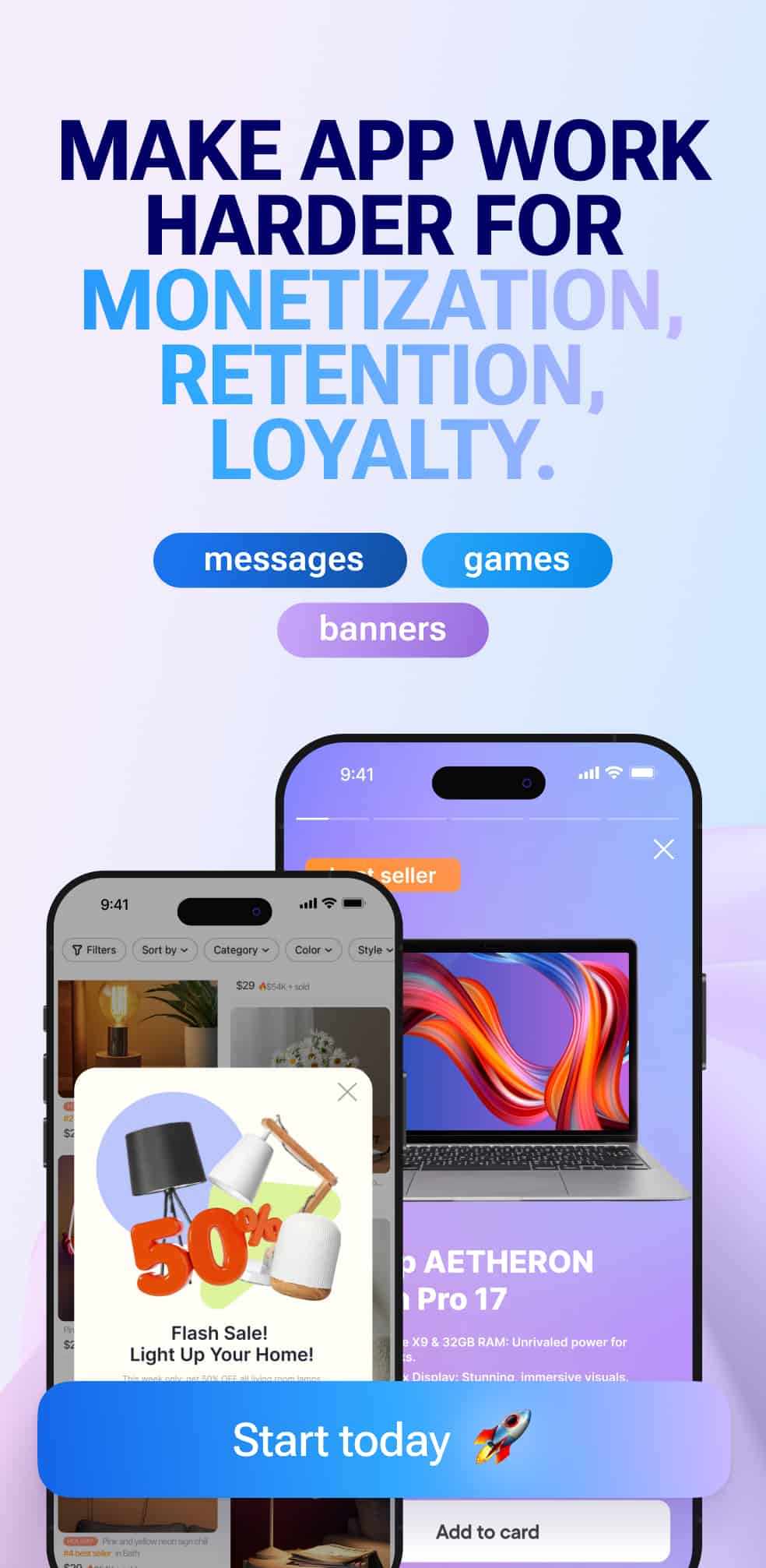
InAppStory helps teams launch in-app messages, stories, banners, and gamified flows that drive feature adoption, LTV, and conversion — all from one dashboard.